This website is intended for adults 18+. Gambling laws and age limits may vary by country.
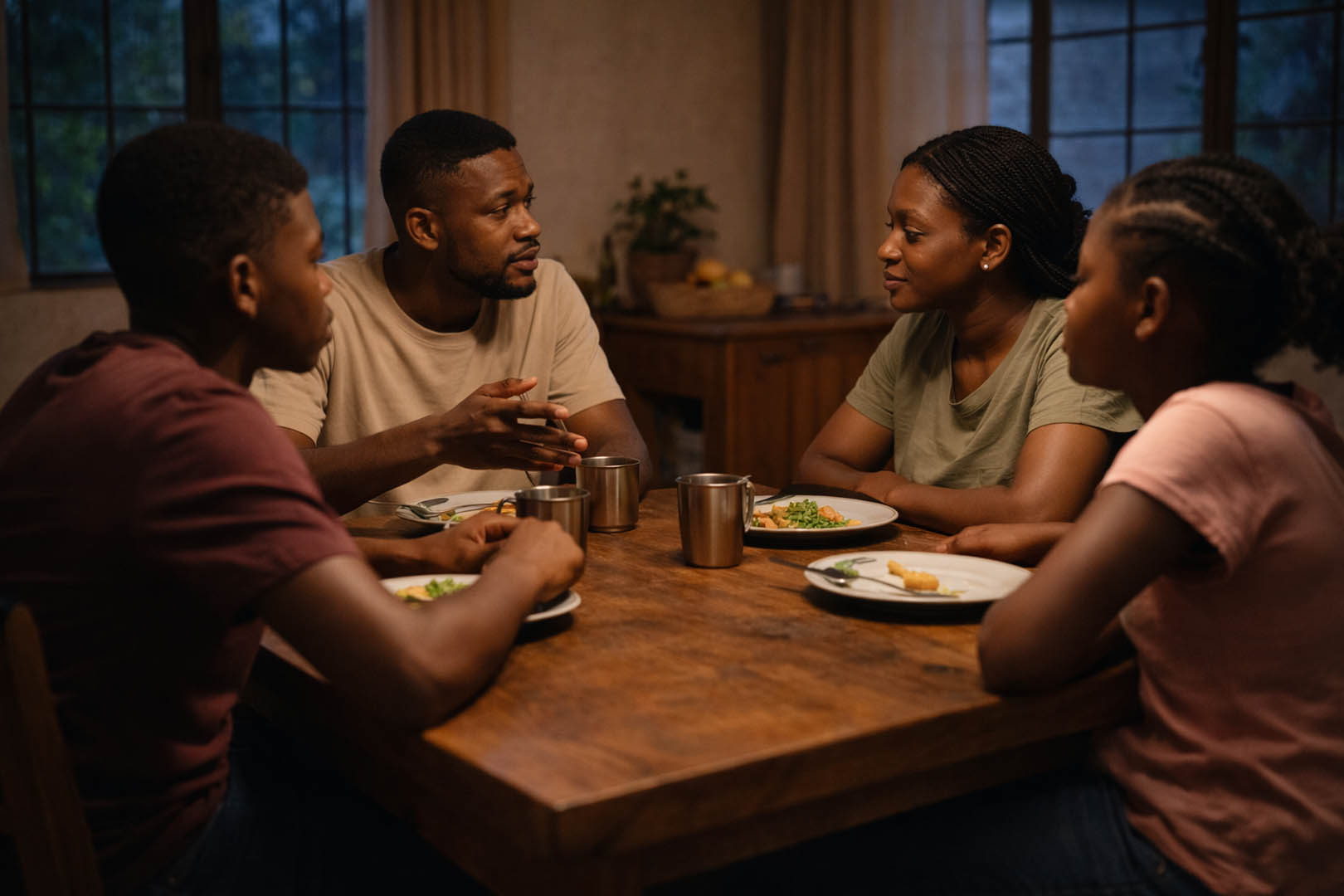
People enjoying a game responsibly
Independent Responsible Gambling Initiative

Play for Fun, Live for Life.

We promote safe, informed and responsible gambling worldwide. Whether you’re worried about your own play, someone you care about, or you’re an operator seeking to reduce harm, this platform gives you practical tools, guidance and confidential support pathways.

Age restriction: This site is for adults 18+.

If you are in immediate crisis or feeling at risk of harming yourself, please contact your local emergency services or a crisis hotline in your country.

Safer Gambling Snapshot

Simple principles to protect your money, time and wellbeing.

SAFE

Core Principles

  • Only gamble with money you can afford to lose.
  • Set clear time and spending limits.
  • See gambling as entertainment, not income.

Help Pathways

  • Confidential helplines and chat support.
  • Counselling and support groups.
  • Self-exclusion tools from operators.

About the Initiative

A neutral, people-first platform for safer gambling worldwide.

The Responsible Gambling Initiative is an independent, non-commercial project dedicated to reducing gambling-related harm. We don’t run gambling services, sell betting products or promote specific operators. Our focus is people: providing clear information, practical tools and confidential pathways to support.

We recognise that gambling is a legal form of entertainment in many countries, but also that for some individuals it can become risky and harmful. Our aim is to help you make informed choices, spot early warning signs and know where to turn if you or someone close to you needs help.

Our Values

  • Safety & dignity
  • Evidence-informed guidance
  • Confidentiality & respect

How We Work

  • Neutral, non-judgemental tone
  • Partnering with support services
  • Resources for players & families

Who We Support

  • Individuals & families
  • Community groups
  • Responsible operators
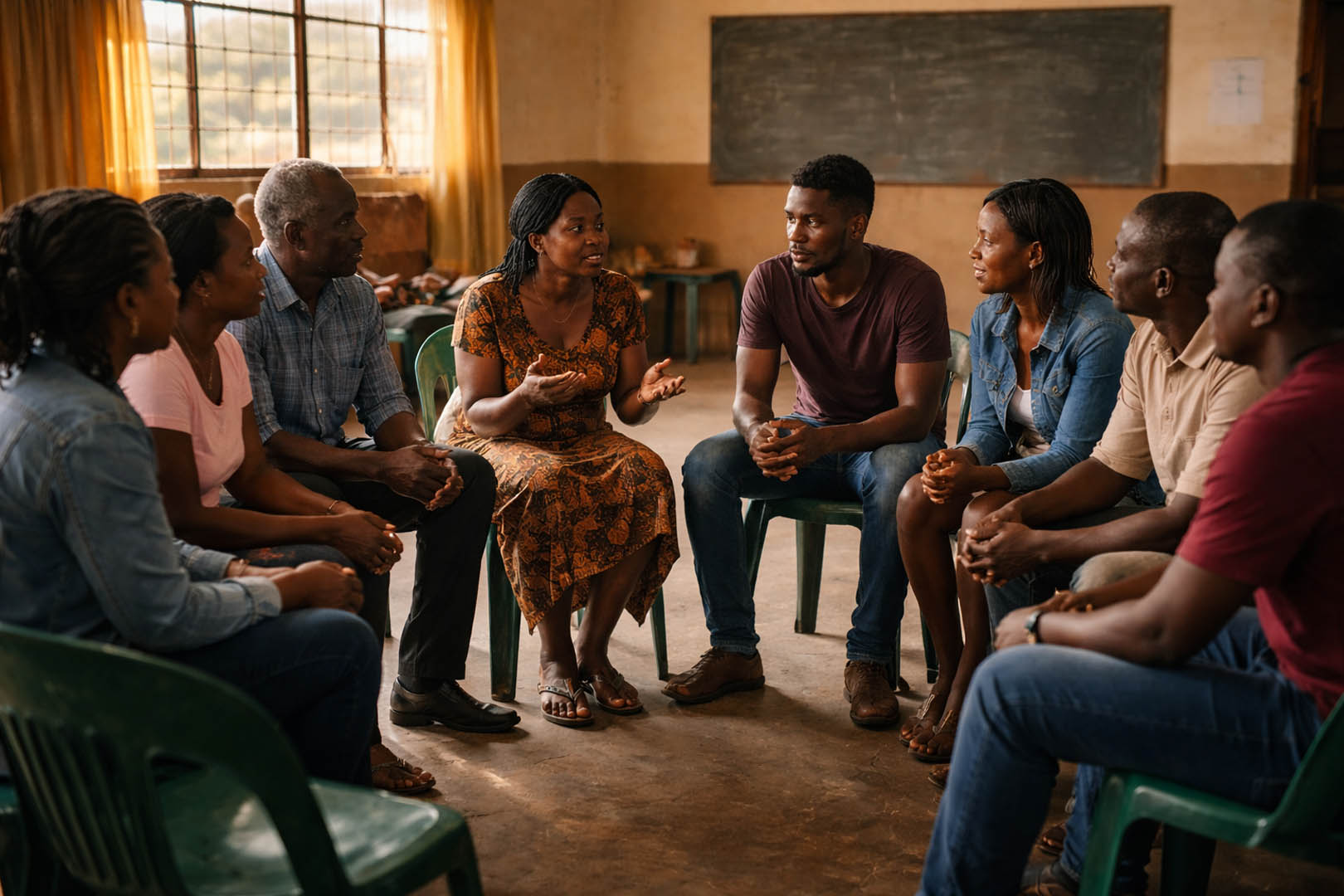
Community collaborating to promote safer gambling

Working alongside local and international partners

We actively encourage collaboration with mental health professionals, financial counselling organisations, regulators and gambling operators who share a commitment to reducing harm and protecting vulnerable individuals.

If you represent a support service or regulator, you can connect with us via the collaboration form in the Contact section.

What Is Responsible Gambling?

Gambling should never cost you your wellbeing, relationships or future.

Responsible gambling means choosing to play in ways that protect your finances, relationships and mental health. It is about staying in control of your time and money, understanding the odds, and recognising that no system can guarantee a win.

In short, responsible gambling keeps play in the “entertainment zone” — enjoyable, affordable and time-limited — and away from the “harm zone,” where gambling starts to create stress, secrecy, debt or conflict.

Do's of Responsible Gambling

  • ✔ Only gamble with money you can afford to lose.
  • ✔ Set clear limits on deposit amounts and time spent.
  • ✔ Treat gambling as entertainment, not a way to make money.
  • ✔ Take regular breaks and keep other hobbies active.
  • ✔ Talk openly if you’re worried about your gambling.

Don’ts of Responsible Gambling

  • ✘ Don’t gamble with money for rent, bills or essentials.
  • ✘ Don’t chase losses by wagering more to “win it back.”
  • ✘ Don’t gamble when stressed, angry, anxious or intoxicated.
  • ✘ Don’t borrow money or use credit to gamble.
  • ✘ Don’t hide your gambling from people you trust.

Warning Signs

Recognising problem gambling early can prevent deeper harm.

Many people can gamble occasionally without harm. For others, gambling can start to feel out of control. Changes in behaviour, mood or finances are often early warning signs that gambling has shifted from entertainment to something more serious.

If you recognise some of the signs below in yourself or someone you care about, it may be time to pause, reflect and reach out for support. You don’t have to wait until things are “really bad” to ask for help.

Behavioural Signs

  • • Chasing losses after losing money.
  • • Gambling more often or for longer than planned.
  • • Hiding gambling from family or friends.
  • • Neglecting work, study or responsibilities.

Financial Signs

  • • Difficulty paying bills or loans on time.
  • • Using savings meant for other goals to gamble.
  • • Borrowing money or selling possessions.
  • • Using credit cards or loans to fund gambling.

Emotional Signs

  • • Anxiety or tension around gambling.
  • • Guilt or shame after gambling.
  • • Mood swings linked to wins or losses.
  • • Feeling hopeless or trapped by gambling.

Experiencing some of these signs does not mean you are “a gambling addict,” but it is a signal that gambling may be causing harm. You are not alone, and help is available. You can explore practical steps in the sections below or go straight to Help & Support.

Practical Tools & Safer Gambling Tips

Simple actions today can protect your finances and wellbeing tomorrow.

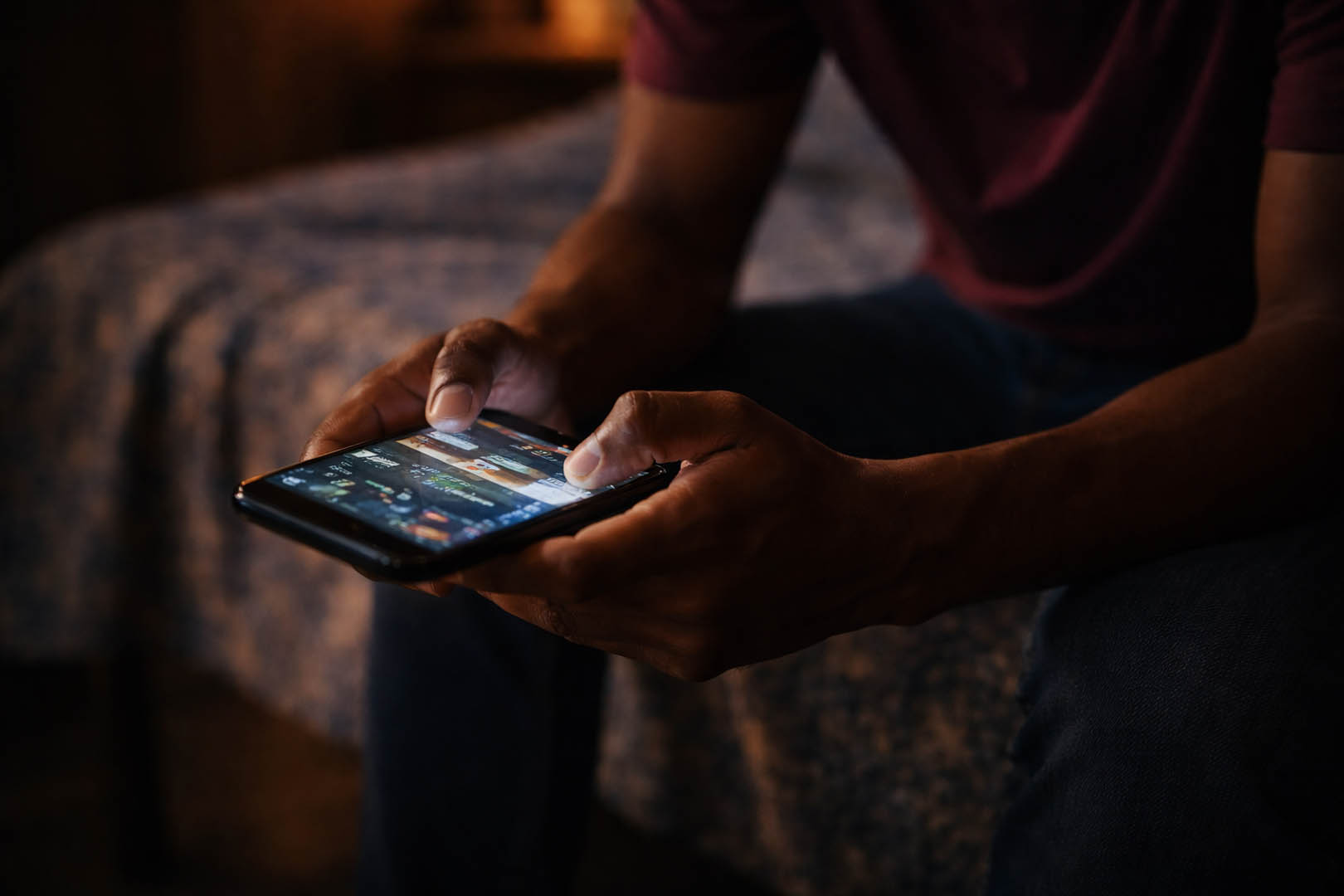
Dashboard showing gambling limits and time controls

Set Clear Limits

Decide in advance how much money and time you can afford to spend on gambling in a week or month — and stick to it.

  • • Use operator tools like deposit and loss limits.
  • • Keep gambling money separate from living expenses.
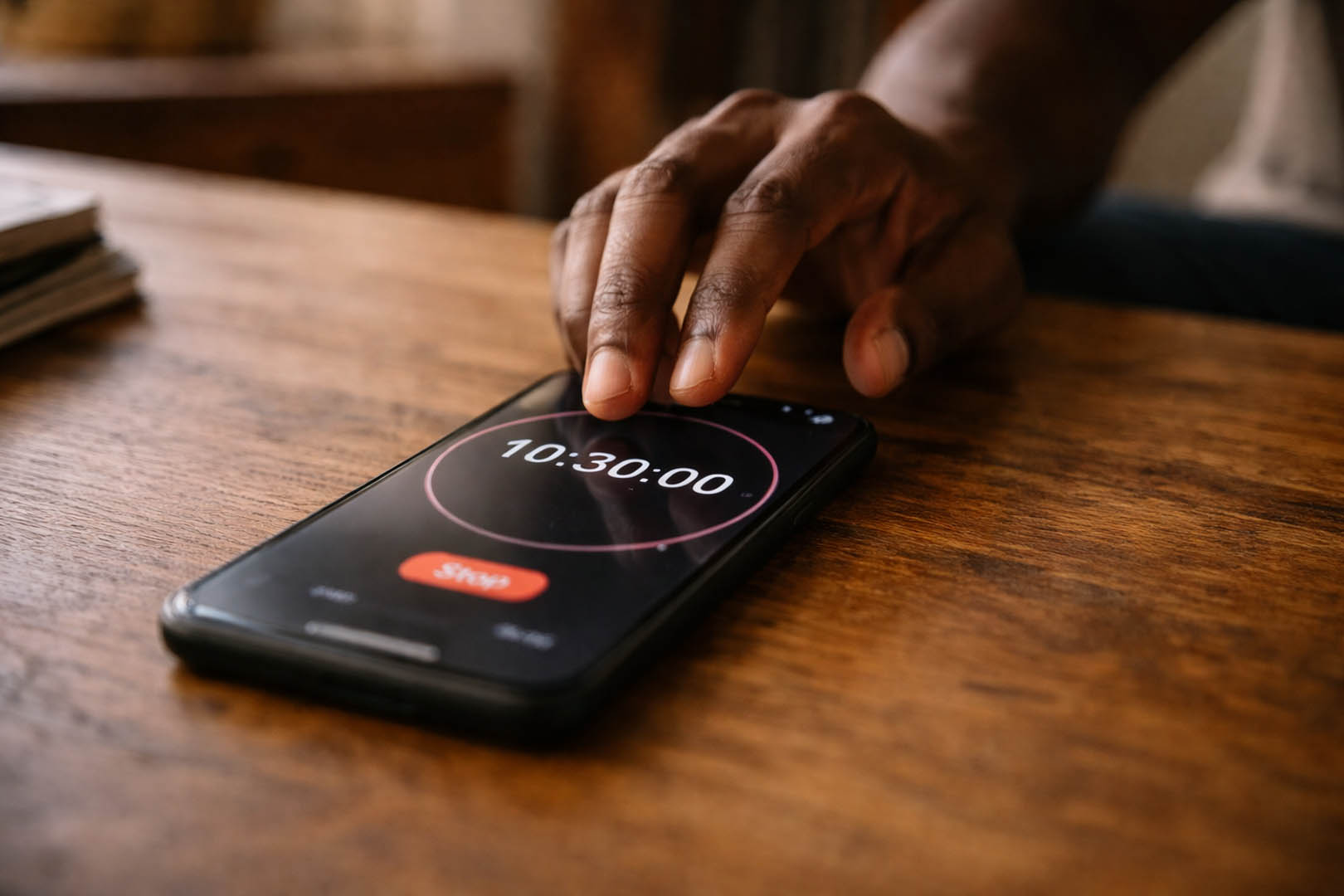
  • • Set a timer or alarm before you start playing.

Protect Your Mind & Routine

Gambling should not be a response to stress, boredom or difficult emotions.

  • • Avoid gambling when tired, stressed or under the influence of alcohol or drugs.
  • • Plan other activities before and after gambling.
  • • Take regular “cool-off” days without any gambling.

Track Your Play

Keeping a record can make patterns and risks visible.

  • • Note dates, time spent and amounts wagered.
  • • Review your spending weekly or monthly.
  • • Ask a trusted person to help you stay accountable.

Self-Check

A short, private check-in — just for you.

This self-check is not a medical diagnosis. It is a private reflection tool to help you notice whether gambling is starting to have more impact on your life than you’d like.

Answer honestly for yourself. If a number of statements feel true, consider taking a break and reaching out to a trusted person or a professional support service.

In the last 12 months, have you:

  • ☐ Spent more time or money on gambling than you planned?
  • ☐ Lied or hidden the extent of your gambling from someone close to you?
  • ☐ Felt restless, irritable or upset when you try to cut down or stop?
  • ☐ Gambled to escape problems, stress, anxiety or low mood?
  • ☐ Chased losses — going back to win back money you lost?
  • ☐ Needed to gamble with larger amounts to feel the same level of excitement?
  • ☐ Jeopardised or damaged an important relationship, job or study because of gambling?

If you answered “Yes” to several of these questions, it may be time to talk to someone. You can explore support options in the Help & Support section or speak with a local helpline or professional counsellor.

Help & Support

If you need help, you deserve it without judgement and without delay.

Reaching out for support is a sign of strength, not failure. Gambling-related problems can affect anyone, regardless of background or profession. There are several types of help available, and you can choose what feels safest and most comfortable for you.

Confidential Helplines

Many countries offer free, confidential phone or chat helplines for gambling concerns.

  • • Trained advisors who understand gambling issues.
  • • Available for both individuals and family members.
  • • Often available outside normal office hours.

Add your local helpline here:
e.g. “National Gambling Helpline: +00 000 000 000 (24/7)”

Counselling & Support Groups

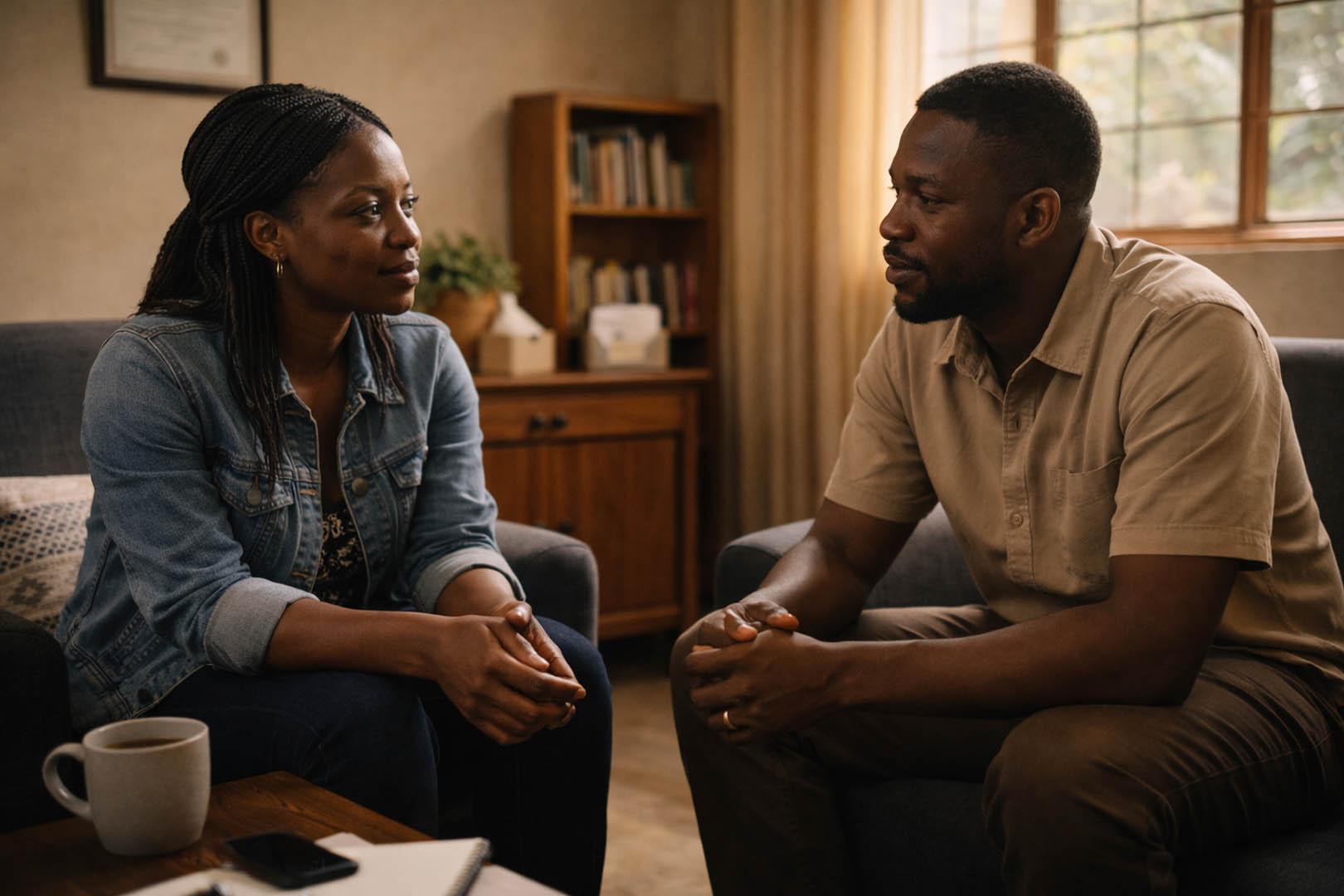
Talking with a professional or a peer support group can help you understand the role of gambling in your life and explore healthier coping strategies.

  • • In-person or online therapy sessions.
  • • Group meetings where others share similar experiences.
  • • Practical support for dealing with debt and relationships.

Self-Exclusion & Operator Tools

Most licensed operators offer tools that allow you to limit or block your access to gambling services.

  • • Deposit, loss and time limits.
  • • Temporary “cool-off” breaks.
  • • Long-term self-exclusion from websites or venues.

Financial & Legal Advice

If gambling has impacted your finances, specialist debt advisers can help you understand options, negotiate with creditors and plan for recovery.

  • • Free or low-cost debt counselling services.
  • • Budgeting and repayment plans.
  • • Guidance on legal or credit implications.

Get Help Now

Prefer to contact us directly? You can send a confidential message using the form below.

Messages are reviewed by our team or partner organisations. We aim to respond as soon as possible, but this is not an emergency service.

If you are having thoughts of self-harm or feel in immediate danger, please contact:

• Your local emergency number
• A crisis hotline in your country (e.g. suicide prevention hotline)
• The nearest emergency room or clinic

For Family & Friends

Supporting someone you care about — without carrying their burden alone.

Watching someone you love struggle with gambling can be painful and confusing. You may feel angry, scared, guilty or exhausted. These feelings are normal. It is possible to care deeply for someone while also setting boundaries to protect yourself.

You cannot control another person’s gambling, but you can control your response and the support you seek for yourself.

Helpful Approaches

  • • Choose a calm moment to talk, not during conflict or active gambling.
  • • Use “I” statements (“I am worried because…”) rather than blame.
  • • Focus on how gambling affects wellbeing, finances and relationships.
  • • Encourage professional help rather than trying to fix everything yourself.

What Not to Do

  • • Don’t fund their gambling or repay gambling debts “in secret.”
  • • Don’t cover up consequences (e.g. lying to employers or family).
  • • Don’t put your own safety at risk.
  • • Don’t carry the burden alone — seek your own support.

Many support services offer sessions specifically for family members. You deserve space to talk about your experience too, even if the person you care about isn’t ready for help yet.

For Operators & Partners

Building a safer gambling ecosystem, together.

Licensed operators, regulators and community organisations play a crucial role in reducing gambling-related harm. We encourage policies and practices that balance commercial goals with the safety and dignity of players.

We invite responsible operators and stakeholders to collaborate on education campaigns, early intervention tools and transparent signposting to support services.

Responsible Operator Principles

  • • Clear, accurate information about odds and risks.
  • • No marketing targeted at minors or vulnerable people.
  • • Prominent display of support resources on all platforms.
  • • Meaningful safer gambling tools (limits, time-outs, self-exclusion).

Join the Responsible Gambling Pledge

We are developing an international pledge framework outlining practical commitments to harm minimisation and player protection.

To express interest, contact us using the Partnership enquiry option in the contact form.

Resources & Learning Hub

Go deeper with evidence-based guides and practical tools.

These resources are designed to help individuals, families and professionals understand gambling-related harm and effective responses.

📘

Responsible Gambling Guide (Downloadable PDF)

A concise guide explaining odds, safer gambling principles, and how to set effective limits on time and money.

Placeholder download link: assets/guides/responsible-gambling-guide.pdf

📗

Family Support Handbook

Practical tools for family members, including safety planning, boundary-setting and communication tips.

Placeholder download link: assets/guides/family-support-handbook.pdf

📙

Myths & Facts About Gambling

A myth-busting overview addressing common misconceptions, such as “I’m due a win” or “I can find a system that always works.”

External Links (Customise by Country)

Replace the placeholders below with relevant organisations in your country or region:

  • • National gambling regulator or licensing authority
  • • National or regional problem gambling helpline
  • • Mental health and addiction services
  • • Accredited financial counselling organisations

Always verify the credibility and licensing status of any organisation you list here.

Frequently Asked Questions

Common questions about responsible gambling and support.

Can I be “banned” from gambling websites or venues?

In many countries, you can request “self-exclusion” from specific operators or multi-operator schemes. This can restrict your access for a set period or indefinitely. Check the support options provided by licensed operators in your region or contact the regulator listed in our Resources section.

Will asking for help affect my job?

Generally, seeking help is confidential. Many helplines and therapists do not share information with employers. However, certain professions with strict regulatory requirements may have additional rules. If you are unsure, ask the support service about confidentiality and limits before sharing details.

Is gambling addiction a real addiction?

Yes. Many health organisations recognise gambling disorder as a diagnosable condition that can affect the brain’s reward systems, similar to substance addictions. It is not a moral failing or lack of willpower. Effective treatments and support are available.

What happens if I contact you?

We will treat your message with respect and confidentiality. We can share information about local support options, safer gambling tools and ways to talk with family or professionals. We do not run gambling services, and we will never pressure you to make any specific decision about your play — the choice is always yours.

Contact & Confidential Support Form

Reach out in a way that feels safe for you.

You can use this form to ask questions, request information about support services, or explore partnership opportunities. Please do not include sensitive financial details (such as full card numbers) in this form.

We store your information securely and use it only to respond to your enquiry, in line with our privacy notice.

logo
I confirm that I am 18 years or older and give consent for my information to be used to respond to this enquiry in line with the site’s privacy notice.
Help Now